













































Suitable cat carriers are a wise investment, as a high-quality cardboard cat carrier can give your extra cat safety and make the journey less stressful for the cat and you.
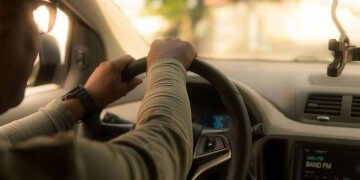
A nervous cat can enter any car part, including under the pedals, right in front of the dashboard, or inside the steering wheel. If your cat is not secured in a cardboard cat carrier, it can escape from the car or your arms and could be injured or lost before you can react.
What makes a great carrier? If you visit the pet store or online, there is a wide selection of carriers). How do you choose one?
Let’s examine it from a cat’s perspective. Cats prefer cozy, comfortable, dark, and enclosed spaces. That’s why you’ll find them hidden in paper bags, cardboard boxes, and baskets. They feel a sense of security. When anxious, they want to appear “invisible.” Choosing a cat carrier that can provide all of the above features will make your cat feel comfortable and safe when traveling.
Consider Dimensions
Cats must be able to sit, stand and turn inside the carrier boxes. The ideal size for transporting a cat is at least half the size of your pet. If the custom cardboard cat carrier is too large, it may not be easy to hold and balance the cat. The cat does not want to travel as if on amusement park rides.
If you want to purchase a cardboard pet carrier, select a carrier of the right size you think will fit once they reach adult size.
If you’re doing more than a short trip around town, ensure the carrier can hold water and food bowls. If you plan to travel long distances, choose a vast container that can accommodate the carrier box and an extra bed.
Carrier Pooling
Most of the time, it is more beneficial to use separate carriers to accommodate your cats than to use them all in one large carrier. Having a cat traveling in a gigantic cat carrier is awkward and uncomfortable.
Cramming two cats into a smaller pet carrier box can be highly uncomfortable, challenging, and stressful. Incredibly close cats can become aggressive towards each other when stressed.
Sometimes there is a quiet visit to the animal hospital, but upon returning from a vet appointment, stressed animals may show aggression towards one of the carriers. The cat affected by a violent incident inside the box will find it more challenging to enter it next time.
Cardboard Cat Carriers
It is a temporary mode of transport. It’s harder to secure the opening, so it’s more likely to be the case of the cat pulling or pushing to get out of the cardboard cat carrier in the parking lot or other potentially dangerous locations.
Suitcase-Style Carrier Boxes
They are usually somewhat more extensive than cats. They also allow cats to be able to see their surroundings. The rolling cart is ideal for families with difficulty transporting objects, as they can move the cat where it needs to go. They are often difficult to clean once they have become infected. Some cats may be frightened by the pavement’s strong, rough rolling motion.
Plastic Carrier Boxes
An appropriately sized rigid plastic carrier allows the cat to turn and lie down and provides a sense of security. Many allow the cover to be removed. They are easy to clean after a spill.
Characteristics
Carriers come with several features that are beneficial for cats.

Custom-Designed Cat Carriers
A single door can only provide entry for your cat if you have a scared cat or one that has difficulty getting into the carrier; numerous ways to guide your cat into the carrier can make for a more effortless experience for the family. Many families prefer to place their cat in the carrier through the tension-free top rather than trying to force their cat through the front doors.
Make a Decision
The cat carrier must be comfortable for the user and one that does not cause anxiety to use. It should be simple to clean, cozy, and comfortable for your cat. It should also be pet friendly.
Many cats travel alone; they will end up at the vet’s office. Making the pet carrier a haven away from home can reduce stress on your cat while it’s there. Placing a towel on the inside of the container will allow your cat’s familiar scents and give them a comfortable place to lie down. It also prevents them from sliding around in the holder. You can also calm your cat down by spraying the box and carrier with pheromone spray for about 30 minutes before putting your cat in the carrier.
An appropriately sized cat carrier with bedding or a towel at the bottom can stop the cat from sliding around inside the box. This helps with motion sickness. If your cat vomits, or poops, the easy-to-clean carrier will allow the exam team to wash the carrier so your cat isn’t forced to return home with vomit or urine residue. The bedding or towel could absorb the urine and ensure the cat does not suffocate.
Multiple access points or doors exist, so your cat can choose from various options to explore or explore from the car’s safety. It’s also easier to get your cat out of the vehicle.
Cats love to rest their backs on something to create a sense of security. This is why you can see them heading for the corner, diving, or even sitting on the scale during a visit. Knowing that a stray animal will not threaten them is a comfort. If the top of the box is removed, the veterinarian can inspect the cat inside the box during part of the physical exam. It is possible to place towels over the boxes during the examination to create a dark, comfortable and safe space to keep the cat’s head in its head.